






-
Publisher
William Dow
-
Date of Publishing
August 30, 2012
-
Book size
468 pages
-
Format
Paperback
Rating
About the book
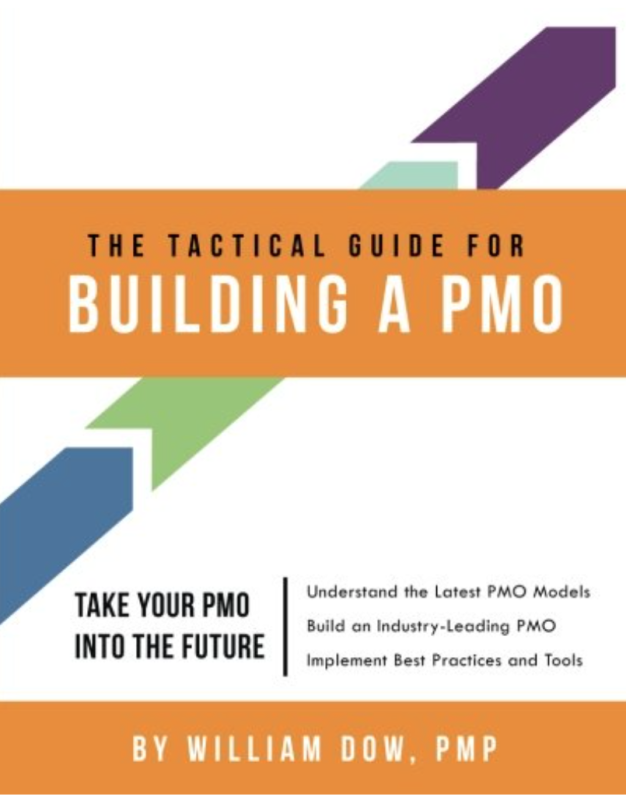
The Tactical Guide for Building a PMO by William Dow equips PMO Managers with the knowledge and skills to develop, refine, and enhance their Project Management Office (PMO). PMOs have existed for many years; however, PMO managers have very few resources to draw from to help them be successful. This book includes the step-by-step process of establishing, implementing, and running a new or existing PMO. This book covers: Introduction of the PMO Models, Staffing Models, Portfolio/Program/Project Management Methodologies, PMO Reporting, PMO Tools, and much more. While this book is tailored to the PMO Manager, it also benefits Portfolio, Program, and Project Managers.
Note: This book has been replaced with “The PMO Lifecycle: Building, Running, and Shutting Down.” AIPMO will publish the review of the new book in the coming weeks.
AIPMO Review
Rating: 6.8 – The book, available in both electronic and paperback formats, offers readers options for accessing its content. While the digital version’s layout and style are commendable, the small print in the paperback edition may hinder reader engagement with both text and diagrams. Despite this drawback, the substantial content spanning 432 pages and seventeen chapters remains highly relevant to contemporary trends in project management office (PMO) establishment and implementation.
Authored by William Dow, a renowned expert acknowledged by the Project Management Institute (PMI), the book is designed to assist individuals within organizations in establishing or restructuring PMO offices. Dow provides a comprehensive overview of various project management methodologies, encompassing portfolio, program, and project management, along with PMO types, tools, processes, capabilities, and reporting structures. Despite containing typos, the book remains a valuable resource for project managers transitioning into the PMO domain.
Furthermore, the book offers practical scenarios, insights, methodologies, and templates invaluable for individuals operating within PMOs. Despite its 2012 publication date, many concepts and tools discussed remain relevant in today’s project management environment. Dow’s fresh approach, mixing old examples with new studies or applications, contributes depth to ongoing conversations in the field.
Although lacking case studies, the book provides numerous examples to bolster readers’ grasp of crucial aspects concerning PMO construction and management. However, the author predominantly relies on citations from the PMI, suggesting an opportunity to incorporate references from other project management schools of thought.
Moreover, while the book incorporates diagrams and tables, their poor quality in the paperback edition hampers reader comprehension. Improving the quality of visual aids across print format would enhance the book’s readability and accessibility, ultimately benefiting readers seeking to grasp project management principles and practices.
AIPMO's 10-point scale
The book is available in both electronic and paperback formats, providing readers with options for accessing the content. The layout and style of the digital version are good; however, the paperback edition may pose challenges with its small print, making it difficult for readers to engage with both the text and diagrams. Despite these drawbacks, the book offers substantial content with 432 pages covering seventeen chapters of interest.
The book remains highly pertinent to contemporary trends in project management office (PMO) establishment and implementation, despite its publication over a decade ago. The theories outlined in the book retain relevance in the context of PMOs, although certain concepts within project management theories may be considered outdated. In essence, the book offers valuable insights and guidance for individuals seeking to establish and efficiently manage project management offices.
The book is designed to assist individuals within organizations in establishing new PMO offices or restructuring existing ones, making it particularly beneficial for newcomers to this field. The author presents a comprehensive overview of various project management methodologies, encompassing portfolio, program, and project management. Additionally, the book systematically covers PMO types, tools, processes, capabilities, and reporting structures. Despite containing typos, it remains a valuable resource for project managers aiming to transition into the PMO domain. It is highly recommended reading for those seeking a deeper understanding of the setup and management of project management offices.
The book offers practical scenarios, insights, methodologies, and templates that can prove invaluable for individuals operating within project management offices. Despite its authorship dating back to 2012, numerous concepts and tools discussed in the book retain relevance and applicability in today’s project management environment. Readers can extract enduring value from the timeless advice and strategies presented in the book, thereby enriching their comprehension and proficiency in effectively establishing and managing PMOs.
The book brings in a new angle, even though it’s based on established ideas, and really pushes the boundaries in its field. It mixes old examples with new studies or applications, sometimes shaking up the usual thinking without presenting full-on alternative views. Plus, it provides a novel perspective that adds depth to the ongoing conversation.
While the book lacks case studies, it does offer a wealth of examples that bolster readers’ grasp of crucial aspects concerning PMO construction and management. These examples serve to elucidate concepts and render them more relatable and actionable in real-world scenarios. By furnishing practical examples, the book can amplify readers’ understanding and enable them to visualize how the principles and strategies discussed can be put into practice within their respective PMO settings.
The author of the book, William Dow, is a renowned expert in the project management domain, acknowledged by the Project Management Institute (PMI), especially in the realm of PMO development and management. As a subject matter authority in project management, the author has penned numerous blog posts, white papers, and articles covering various project management subjects. Furthermore, the author has authored six books on project management and PMOs, which further bolster his expertise and credibility in the field. Readers of the book stand to gain from the author’s vast knowledge and experience in project management methodologies and PMO advancement.
The book presents considerable value for startups aiming to establish a project management office (PMO), offering guidance and insights to assist them in initiating their journey on the right path and providing value for personal growth. The practical advice and strategies delineated in the book can furnish startups with a robust foundation for implementing effective project management practices within their organizational frameworks. Given the positive impact observed among readers, we hope that the new updated version has potentially integrated updated information, fresh case studies, and additional insights to further bolster support for startup organizations in their PMO endeavors, building on the positive impact observed among readers.
The author predominantly relies on citations from the Project Management Institute (PMI) in the book. However, it would be advantageous for the author to also consider referencing other schools of thought in project management. This approach would provide readers with a broader perspective and additional insights into various project management methodologies and approaches, leading to a more comprehensive understanding of different practices and principles in the field. It is important to note that the references utilized in the book adhere to academic standards, ensuring credibility and reliability in the content presented. Updating the references to the current decade would be a valuable enhancement. Incorporating recent publications, research studies, and industry trends in the references can help maintain the relevance and currency of the content for readers seeking the latest information in project management. By integrating a diverse range of references that reflect the current landscape of project management practices, the author can further enhance the value and credibility of the book for readers looking to advance their knowledge and skills in the field.
The book incorporates diagrams and tables aimed at aiding readers in comprehending the presented concepts. However, it is imperative for these visual aids to be of high quality to effectively convey information. Regrettably, the paperback edition’s diagrams and tables suffer from poor quality, leading to difficulties in reading and potentially impeding reader comprehension. Clear, visually appealing graphics can significantly enhance the reader’s learning experience and understanding of the presented concepts. By prioritizing the quality of visual aids across print and electronic formats, the author can enhance the overall readability and accessibility of the book, ultimately benefiting readers seeking to grasp the project management principles and practices outlined within its pages.