Design quality
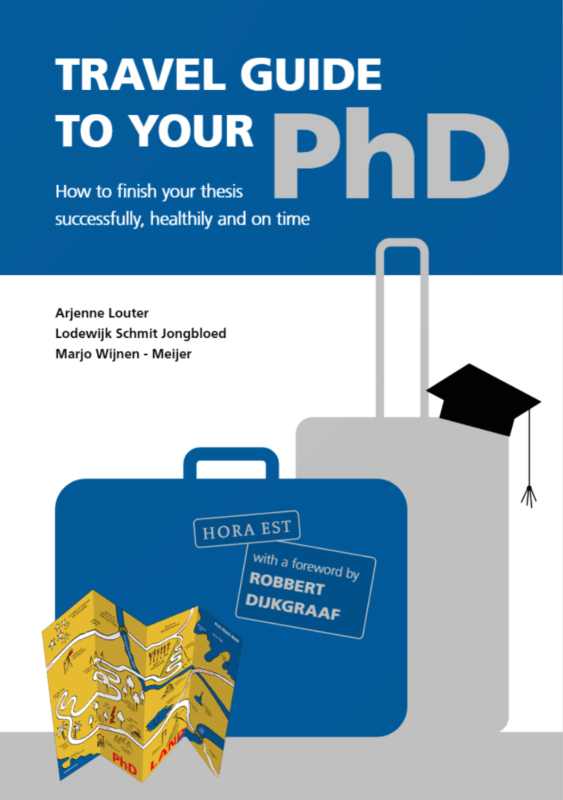
For the purposes of the review, a printed book provided by the authors was used. The graphic design of the book is modern, engaging, and consistent throughout, making it visually distinctive. The chapters, along with the introduction and main body of the text, include cartoons that complement the chapter content. At the end of each chapter, links to supporting literature, TED Talks videos, and interesting websites provide further resources. Interviews with PhD holders are highlighted using a slightly different color scheme, and chapters are clearly marked with homepages and titles at the top of each page, enhancing readability. All chapters are organized in a uniform and logical manner, making them easy to read and follow.
However, the font size is somewhat smaller, which may affect readability for some individuals depending on personal preference. In addition, standardizing the use of QR codes for all referenced hyperlinks would improve consistency and facilitate easier navigation, further refining readability and user experience.
Relevance
The book provides practical advice for organizing a PhD journey. Although it is primarily written from the perspective of Dutch experts and includes some details specific to the Dutch higher education system, the guidance is largely applicable to PhD students worldwide, regardless of their field of research. This broad applicability makes the book relevant to a diverse audience, although it results in less specific guidance tailored to individual scientific disciplines. Nevertheless, the authors avoid superficiality and present a comprehensive strategy for navigating a PhD program in a relatable manner.
The book is current and highly engaging, particularly for those in the midst of their PhD journey. While it does not introduce or advocate groundbreaking scientific theories or stimulate significant public scientific debate, each chapter addresses pertinent issues that invite discussion and the exchange of opinions.
The external sources add particular value, especially the practical advice offered through linked blog posts and training sessions on how to use AI tools for the systematization of scientific literature. Given the rapid development of AI technologies and the fact that the book was written in 2024, these external sources help ensure that the content remains relevant and aligned with ongoing developments in AI.
Readability
The authors have organized the seven chapters of the book in a practical manner, ensuring that each topic follows the chronological sequence of the PhD journey. It begins with planning and concludes with practical advice on what to do after completing a PhD, including guidance on entering the professional world and transitioning into a business career.
The writing style is highly readable and straightforward, which is impressive for a manual aimed at individuals pursuing or planning to pursue the highest level of education. The text is largely free of grammatical errors, although a few letters may be omitted in places.
Overall, the book is structured in a way that keeps the reader engaged throughout the entire journey. This engagement is enhanced by the clear and logical arrangement of chapters, practical advice, thought-provoking questions, interviews, comics that sometimes lighten the tone of the text, and links to supplementary materials provided at the end of each chapter.
The color-coded chapter design further improves readability and visual clarity, with each chapter introducing a unique color on its opening page and using the same tone for subheadings. However, in one chapter the selected light color reduces text contrast against the white background, making the text less legible. A darker tone or higher-contrast color scheme would improve the user experience.
Applicability
The book is aimed at PhD students and those aspiring to become PhD candidates. It is authored by someone who currently works as a PhD coach, also publishing a professional blog on the subject (
www.thedutchphdcoach.com). As indicated by its title, the book serves as a “travel guide” meant to provide practical and concrete advice on how to successfully navigate the PhD journey.
The advice offered in the book covers a wide range of topics, from scientifically based theories such as the O-S model of communication to practical tips like going for walks and drinking mint tea. The book provides broadly practical guidance and concrete tools that can support decision-making and problem solving across common PhD challenges. Examples such as planning boundaries, simple prioritization and time-management ideas (for example Pareto-style thinking), practical weekly and daily planning tips, and structured writing guidance using a three-phase model with milestones increase the book’s usability.
While one might expect a stronger theoretical foundation and references to more recent research in a guide for PhD students, this is largely lacking. Instead, the book relies heavily on firsthand advice from well-regarded and relevant authors. Several techniques also rely on external links for deeper implementation; including one or two worked examples, such as applying the five-step paper-reading method or an energy and time management plan for full-time working PhD students, would make the advice more directly actionable.
The scientific basis of the book is somewhat limited. By incorporating recent studies at the end of each chapter and interpreting the research findings, the book could achieve greater depth without sacrificing accessibility and readability.
Innovation
Although the book contains knowledge that is familiar to most PhD students and does not introduce revolutionary approaches, it holds value in its holistic view of the PhD journey. It addresses various factors that can positively or negatively influence this process, including planning, procrastination, literature review, writing skills, communication with supervisors, motivation, inspiration, and professionalism.
The book’s significance lies in its ability to place existing knowledge about the PhD experience in a new context and to present the PhD journey as a coherent path. It deepens understanding of cause-and-effect relationships, poses relevant questions, and offers concrete advice and recommendations. Throughout the text, the author often refers to established knowledge that is rarely questioned. The book is also filled with practical examples and interviews that enhance its relevance.
While the book integrates practical frameworks that support day-to-day progress, it is not radically new in its overall ideas. A useful enhancement would be the inclusion of a broad framework of supervisory activities describing how supervisors can support students across the PhD timeline, which would help clarify expectations and support more structured supervision discussions.